


25% Off All Products Black Friday November Special! Free Delivery on All Orders over R500 SHOP NOW
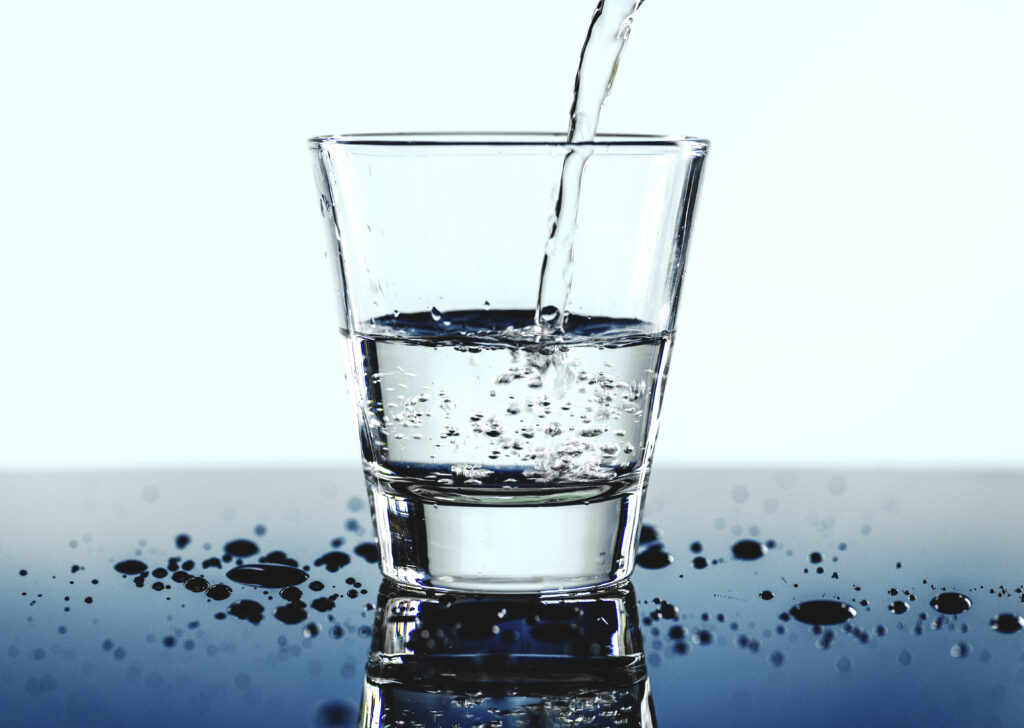
Choosing the type of water you drink every day affects your health, your household budget, and the environment. In South Africa, this choice has become increasingly important as consumers balance concerns about municipal water quality, rising bottled water consumption, and growing interest in home filtration systems.
While many South African municipalities provide water that meets national drinking water standards, water quality can vary depending on where you live, the condition of local infrastructure, and how effectively water treatment systems are managed.
This article compares bottled water, tap water, and filtered water from a South African perspective to help you make an informed choice.
Nutrients and Minerals in Water: Do They Really Matter?
Many people believe mineral-rich bottled water is healthier because it contains naturally occurring minerals such as calcium and magnesium.
Research from the World Health Organization (WHO) suggests that minerals in drinking water can contribute to overall health, particularly magnesium and calcium. However, the WHO also notes that food remains the primary source of essential nutrients and minerals.
South African tap water and bottled water vary considerably in mineral content depending on their source. Water drawn from groundwater aquifers, mountain catchments, or dams may contain different levels of naturally occurring minerals.
The most important minerals that may be found in drinking water include:
While these minerals can contribute to your daily intake, they should be viewed as a bonus rather than a primary reason for choosing one type of water over another.
Bottled Water: Benefits and Drawbacks
For many South Africans, bottled water provides peace of mind, particularly during periods of water disruptions, infrastructure failures or concerns about local municipal water quality.
Benefits of Bottled Water
Bottled water offers:
Many bottled water brands in South Africa source water from protected underground aquifers and natural springs.
Potential Drawbacks
Although bottled water is generally safe, research worldwide has raised concerns regarding:
A litre of bottled water can cost hundreds of times more than municipal water, making it a significantly more expensive long-term option for daily hydration.
In South Africa, where water scarcity and waste management are major environmental challenges, reducing single-use plastic consumption has become increasingly important.
Tap Water in South Africa: Quality, Benefits and Risks
How Safe Is South African Tap Water?
South Africa has some of the most comprehensive drinking water regulations on the continent. Municipal drinking water quality is governed by the South African National Standard (SANS 241), which sets strict limits for microbiological, chemical, and physical water quality parameters.
Many South African municipalities produce drinking water that meets SANS 241 standards, with performance monitored through programmes such as Blue Drop.
The Department of Water and Sanitation’s Blue Drop Programme evaluates municipal drinking water systems based on water quality management, monitoring, and operational performance.
Where municipalities achieve high Blue Drop scores, consumers can generally have confidence in the safety of their tap water.
Potential Risks
Despite strong regulations, challenges remain.
Factors that can affect water quality include:
In some areas, residents report concerns regarding:
It is important to note that these issues are often localised rather than representative of South African tap water as a whole.
Verdict
Municipal tap water remains the most affordable and environmentally responsible source of drinking water for most South Africans.
However, water quality can vary depending on location and infrastructure conditions, which is why many households choose to add an extra layer of protection through home water filtration.
Filtered Tap Water: A Practical Solution for South African Homes
As concerns about water quality, taste and infrastructure reliability grow, more South Africans are investing in household water filtration systems.
Is Filtered Water Healthier?
A quality water filtration system can help reduce:
Advanced filtration systems can significantly improve the taste, appearance, and overall quality of municipal water while allowing households to continue benefiting from existing water infrastructure.
For households using municipal water that already complies with SANS 241 standards, filtration often serves as an additional safeguard and quality enhancement measure rather than a necessity.
Risks and Limitations
Not all filtration systems are equal.
Consumers should consider:
Poorly maintained filters can become less effective over time and may even harbour bacterial growth if cartridges are not replaced according to manufacturer recommendations.
Verdict
For many South African households, filtered tap water provides an excellent balance between safety, convenience, sustainability, and cost-effectiveness.
Is South African Tap Water Safe to Drink?
Yes, in many areas South African tap water is safe to drink and is regulated under SANS 241 drinking water standards.
Many municipalities consistently produce water that meets these standards.
However, water quality can vary depending on factors such as local infrastructure, pipe maintenance, water treatment processes and municipal management. This means that while tap water is generally safe in many parts of South Africa, residents should remain aware of local water quality reports and any notices issued by their municipality.
Is Bottled Water Healthier Than Tap Water in South Africa?
Not necessarily. While bottled water can offer convenience and a consistent taste, it is not automatically healthier than municipal tap water.
Many bottled waters contain mineral levels that are comparable to municipal water, depending on the source and region. In addition, bottled water generates significantly more plastic waste and typically costs substantially more than municipal water.
For most South Africans, bottled water should be viewed as a convenience product rather than a healthier everyday alternative.
Is Filtered Tap Water the Best Option in South Africa?
For many households, filtered tap water offers an excellent balance between affordability, improved taste, reduced contaminants and environmental sustainability.
A quality filtration system can help reduce chlorine taste and odour, sediment, microplastics and certain contaminants while allowing households to continue using existing municipal water supplies. When properly maintained, filtered tap water can provide additional peace of mind, particularly in areas where residents have concerns about local water quality.
What Is the Most Cost-Effective Drinking Water Option in South Africa?
Municipal tap water is generally the most affordable source of drinking water available to South African households.
While installing a water filter involves an initial investment and ongoing cartridge replacement costs, filtered tap water remains significantly more cost-effective than relying on bottled water for daily consumption. Over time, many households find that filtration offers substantial savings while also reducing plastic waste.
What Should I Check Before Buying a Water Filter?
Not all water filtration systems perform equally. Before purchasing a water filter, consider the following:
Choosing a quality filtration system and maintaining it correctly are essential to ensuring consistent water quality and performance.
Consumers should also look for independently tested products that provide clear information about contaminant reduction performance.
Comparison and Final Verdict
Bottled Water
Municipal Tap Water
Filtered Tap Water
Our Recommendation for South Africa
For most South Africans, filtered tap water offers the best combination of:
Where municipal water meets SANS 241 standards, a quality filtration system can provide additional peace of mind while helping households reduce plastic waste and long-term costs.
In areas where residents have concerns about local water quality, filtration can serve as an effective additional barrier against contaminants while supporting more sustainable water consumption practices.
Conclusion: Making an Informed Choice
South Africa’s water quality landscape is diverse. While many municipalities provide safe drinking water that complies with national standards, infrastructure challenges and localised water quality issues have increased consumer interest in alternative solutions.
Bottled water offers convenience but comes with high financial and environmental costs. Municipal tap water remains the most affordable and sustainable option, while filtered tap water provides an effective middle ground for households seeking enhanced quality and peace of mind.
Ultimately, the best choice is one that balances safety, affordability, sustainability, and the specific water conditions in your area.
Frequently Asked Questions About Drinking Water in South Africa
Can I drink tap water in South Africa?
In many municipalities, tap water is safe to drink, but quality differs across the country. Check your municipality’s water quality reports or Blue Drop status where available.
Does a water filter remove chlorine taste?
Yes, many activated carbon filters are designed to reduce chlorine taste and odour.
Does filtered water remove healthy minerals?
It depends on the filter. Activated carbon filters generally retain minerals, while reverse osmosis systems remove most minerals unless remineralisation is added.
Is bottled water safer than filtered water?
Not always. Bottled water can be convenient, but it is not automatically healthier or safer than properly filtered municipal water.
How often should I replace my water filter cartridge?
Follow the manufacturer’s instructions. A filter that is not replaced on time may become less effective.
How can I find out if my local tap water is safe?
You can check your municipality’s latest water quality reports, Blue Drop assessments from the Department of Water and Sanitation, or contact your local water provider for information on drinking water quality in your area.
Share this areticle
Recent Blogs