



25% Off All Products Black Friday November Special! Free Delivery on All Orders over R500 SHOP NOW
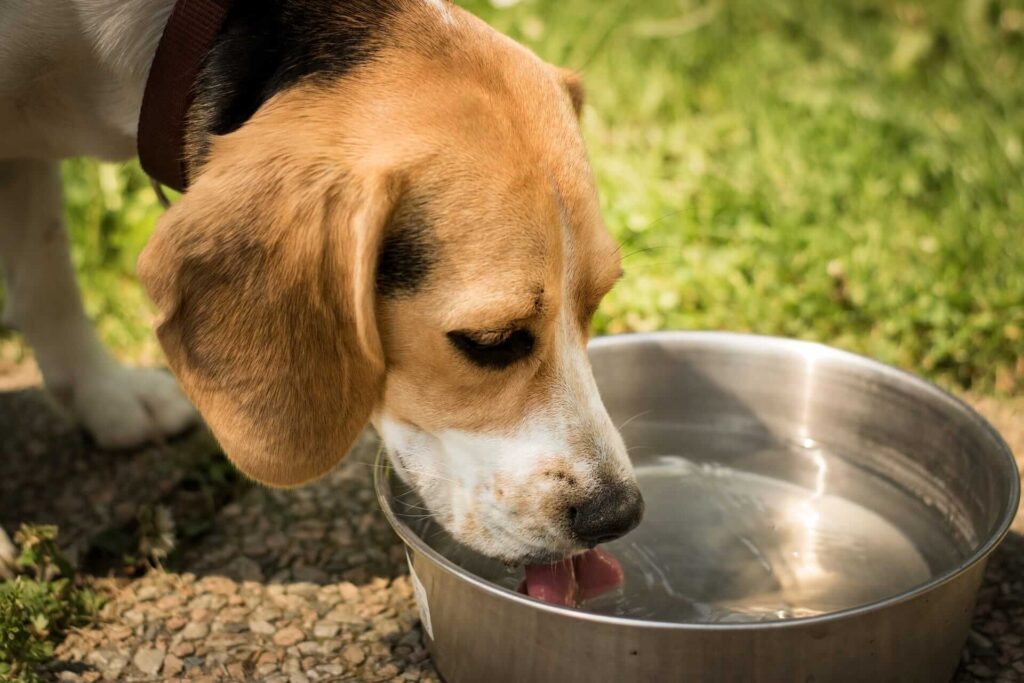
As pet owners, we spend a lot of time thinking about what’s best for our furry family members. We carefully choose their food, buy treats they love, make sure they get enough exercise and happily spoil them with toys, comfy beds and plenty of affection.
But there’s one part of their daily routine that’s often overlooked: the water in their bowl.
Water is something your dog or cat relies on every single day, yet it’s easy to take it for granted. If the water flowing from our taps looks clean and clear, we naturally assume it’s perfectly fine for everyone in the household – including our pets.
In most cases, that’s true. South African municipal drinking water is treated and regulated to meet the requirements of the SANS 241 drinking water standard. However, depending on where you live, the water arriving at your tap may still contain chlorine, sediment and trace levels of other contaminants picked up during treatment or while travelling through ageing pipes and infrastructure.
For people, choosing filtered water has become increasingly common. But should we be making the same choice for our pets?
Let’s take a closer look at why water quality matters, how it affects your pet’s wellbeing and whether filtered water is worth considering.
Why Water Is So Important for Your Pet’s Health
Water isn’t simply something that quenches your pet’s thirst. It’s involved in almost every process taking place inside their body.
A healthy dog or cat is made up of approximately 60–70% water, and every organ depends on staying properly hydrated to function efficiently. Even mild dehydration can affect energy levels, digestion and overall wellbeing, while more severe dehydration can quickly become a medical emergency.
Every sip of water helps your pet’s body to:
In other words, water isn’t just another part of your pet’s diet – it’s the foundation that allows everything else to work properly.
Because our pets drink from the same water source every day, the quality of that water deserves just as much consideration as the quality of the food we feed them.
Do Pets Drink Enough Water?
One of the biggest challenges veterinarians see – particularly with cats – is that many pets simply don’t drink enough water.
Cats naturally have a low thirst drive because they evolved from desert-dwelling ancestors that obtained much of their hydration from the prey they hunted. Although today’s domestic cats live very different lives, that instinct remains.
Dogs generally drink more readily, but their water intake still varies depending on their:
A dog that’s been running on the beach in Cape Town on a warm summer’s day will naturally need considerably more water than one curled up on the couch during winter.
Interestingly, some pets also seem surprisingly particular about the taste and freshness of their water.
While every animal is different, many owners notice that their pets drink more enthusiastically when their water is freshly replaced. Some even report that their dogs or cats appear to prefer filtered water over ordinary tap water.
Although scientific research on this is limited, it isn’t entirely surprising. Dogs and cats have incredibly sensitive noses, and because smell plays a significant role in how they perceive taste, strong odours – such as chlorine – may make water less appealing to some animals.
Did You Know?
An adult dog typically needs around 50–70 ml of water per kilogram of body weight each day, while cats generally need around 40–60 ml per kilogram.
However, these figures vary depending on:
Pets eating wet food obtain a significant amount of their daily hydration from their meals, while those eating dry food rely much more heavily on drinking water.
Recognising the Signs of Dehydration
Because water plays such an important role in every bodily function, dehydration can quickly affect your pet’s health.
Pets lose water throughout the day through panting, breathing, urination and normal bodily processes. During hot weather, after vigorous exercise or when they’re unwell, they lose even more.
If they don’t replace that water by drinking enough, dehydration can develop surprisingly quickly.
Early signs of dehydration may include:
As dehydration becomes more severe, it can interfere with normal body functions and may require urgent veterinary treatment.
If your pet appears lethargic, refuses to drink or shows signs of dehydration – particularly during hot weather or illness – it’s always best to seek advice from your veterinarian.
Can Pets Taste Chlorine?
Most of us have occasionally noticed a slight chlorine smell when pouring a glass of tap water.
That’s perfectly normal.
Chlorine plays an important role in municipal water treatment by helping to eliminate harmful bacteria and keep drinking water safe as it travels through the distribution system.
By the time it reaches your home, however, some people find the taste or smell noticeable – especially during certain times of the year or depending on where they live.
While we can’t ask our pets what water tastes like, we do know that both dogs and cats have remarkably sensitive senses of smell.
Because smell and taste are so closely connected, it’s possible that some animals may find heavily chlorinated water less appealing than fresh, filtered water.
Have you ever noticed your cat preferring to drink from a running tap instead of their water bowl? Or your dog choosing puddle water over the fresh water you’ve just poured?
Freshness, temperature, movement and smell all influence how attractive water is to our pets.
What’s Really in Your Tap Water?
South Africa’s municipal water is generally regarded as safe and is monitored according to national drinking water standards.
However, “safe” doesn’t necessarily mean every glass of water is identical.
Water quality can vary considerably between municipalities – and even between suburbs -depending on factors such as:
Depending on where you live, tap water may contain:
It’s important to keep this in perspective.
These substances are not necessarily present everywhere, and where they are found, they’re often present at very low levels that fall within drinking water guidelines.
Choosing to filter your water isn’t about suggesting municipal water is unsafe. Rather, it’s about reducing chlorine and a range of other contaminants while improving taste, freshness and peace of mind.
Why Some Pet Owners Choose Filtered Water
Many families already choose filtered water for themselves, so it’s only natural to wonder whether the same choice makes sense for their pets.
After all, dogs and cats drink from the same bowl every day for years. Smaller pets, such as a Jack Russell or a Persian cat, also consume a surprising amount of water relative to their body weight over the course of their lives.
While healthy pets can generally drink municipal tap water without any problems, many owners choose filtered water as an extra precaution – particularly for younger or older pets, animals with more sensitive digestive systems, and those with existing health concerns.
A quality water filtration system can help reduce:
The Tappwater EcoPro with Swedish Mineral Rock (SMR™) combines advanced filtration with Swedish Mineral Rock (SMR™) technology, which helps produce clean, great-tasting water while naturally enriching it with beneficial minerals such as calcium, magnesium and potassium. For many pet owners, it’s simply another way of providing the very best care they can.
Just as we choose high-quality food, regular veterinary care and comfortable beds, choosing clean, fresh drinking water can form part of an overall approach to supporting our pets’ long-term wellbeing.
Share this areticle
Recent Blogs